Asphalt Cost Per Ton and Per Square Foot in 2026
Table of Contents
ToggleIntroduction
Asphalt is widely used for roads, driveways, parking lots, and other paving projects. It is popular because it is cost-effective, durable, low-maintenance, and capable of withstanding changing weather conditions. However, asphalt prices can vary significantly depending on several factors. The total cost is influenced by the asphalt mix type, project size, pavement thickness, labor charges, location, and transportation costs. This article explains the average asphalt cost per ton, the cost per square foot, different asphalt types, the key factors affecting prices, and how to estimate the overall cost of an asphalt paving project.
Because asphalt is normally purchased by weight, calculating the required material quantity before estimating cost is important. An asphalt weight calculator can help estimate the total asphalt required based on area, thickness, and density.
Average Asphalt Cost Per Ton in 2026
Typically, asphalt costs $70–$200 per ton in 2026, depending on the location, asphalt type, supplier, and local market conditions. Prices may also fluctuate due to crude oil costs, production expenses, transportation, and supply and demand. The price per ton usually covers the asphalt material only, while the final paving cost depends on factors such as pavement thickness, asphalt mix, order quantity, delivery distance, labor, and site preparation. Since one ton measures weight rather than surface area, the coverage varies with pavement thickness, making it important to estimate the required asphalt quantity accurately for a realistic project cost. For projects that use bitumen as the binder, a bitumen calculator can help estimate the required bitumen quantity from key mix and pavement dimensions, providing a useful starting point for material and cost planning.
The table below compares the average asphalt cost per ton based on whether the price includes only the material, delivery, or full installation.
| Type | Average Cost (USD) |
|---|---|
| Material only | $80–$160/ton |
| Delivered | $95–$200/ton |
| Installed | $110–$180/ton (equivalent to ~$3–$7/sq ft) |
Note: Asphalt prices fluctuate due to crude oil costs, transportation, regional supply, and seasonal demand. The prices in this guide are average 2026 estimates for general planning only. Actual costs may vary based on your location, asphalt type, project size, supplier, and contractor. Always request quotes from local suppliers or contractors for accurate pricing.
Average Asphalt Cost Per Square Foot in 2026
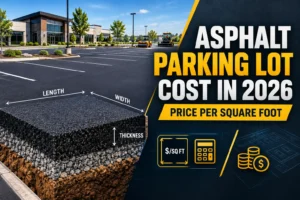
Although asphalt is purchased by the ton, paving projects are usually estimated on a per square foot basis because it provides a better estimate of the total project cost. In 2026, asphalt paving typically costs $3–$7 per square foot, depending on the project requirements and local market conditions. The final price is influenced by the asphalt mix, pavement thickness, site conditions, transportation distance, location, and labor rates. As these factors vary from one project to another, the cost per square foot can also differ significantly.
The table below provides an overview of average asphalt costs per square foot based on the pricing category.
Because pavement thickness affects the amount of asphalt needed, calculating the pavement volume first can provide a more realistic material estimate. An asphalt volume calculator can help you estimate the required volume from length, width, and thickness.
| Pricing Category | Cost Per Sq Ft (USD) |
|---|---|
| Material Only | $0.75–$2.00 |
| Recycled Material | $0.20–$0.75 |
| Fully Installed | $3.00–$7 |
Note: Asphalt prices fluctuate due to changes in material costs, labor rates, project size, pavement thickness, and regional market conditions. The figures above represent average 2026 estimates and may vary by location.
Asphalt Cost By Type
The cost of asphalt varies depending on the type of mix, production method, and application. Some asphalt types are designed for temporary repairs, while others provide long-term durability for roads, driveways, and commercial paving projects. The table below compares the average 2026 costs of the most common asphalt types.
For projects using modified binders, understanding common bitumen grades can also help when comparing asphalt specifications and material requirements.
| Asphalt Type | Cost Per Ton (USD) | Cost Sq/Ft (Installed) |
|---|---|---|
| Recycled Asphalt (RAP) | $40–$80 | $0.20–$0.75* |
| Asphalt Millings | $10–$40 | Varies |
| Cold Mix Asphalt | $300–$800 | Varies by repair size |
| Standard Hot Mix Asphalt (HMA) | $80–$160 | $80–$160 |
| Polymer-Modified Asphalt (PMA) | $100–$180+ | $5–$9 |
(*Material cost only. Installed costs vary depending on the project.)
Recycled Asphalt (RAP)
Recycled Asphalt Pavement (RAP) is made by reusing asphalt from old roads and pavements. It is a cost-effective and environmentally friendly option, making it a popular choice for residential driveways, and rural roads.
Asphalt Millings
Asphalt millings are crushed pieces of old asphalt that can be compacted without reheating. They are commonly used for farm roads, pathways, parking areas, and as a foundation for future paving projects.
Cold Mix Asphalt
Cold mix asphalt is mainly used for repairing potholes, cracks, and other small pavement defects. Since it can be applied without heating, it is convenient for temporary maintenance but is not recommended for large paving projects.
Standard Hot Mix Asphalt (HMA)
Hot Mix Asphalt (HMA) is the most widely used asphalt type for roads, highways, parking lots, and driveways. It offers excellent durability, smooth performance, and long-term reliability, making it the preferred choice for most paving applications.
Polymer-Modified Asphalt (PMA)
Polymer-Modified Asphalt (PMA) contains special additives that improve flexibility, strength, and resistance to heavy traffic and extreme weather conditions. It is commonly used on highways, airports, bridges, and other high-performance paving projects where intensified durability is required. This is closely related to Polymer-Modified Bitumen (PMB), one of the binder grades used to produce it.
Factors Affecting Asphalt Prices
Asphalt prices can vary significantly from one project to another. Several factors influence the final cost. Understanding these factors can help you estimate your paving budget more accurately.
Crude Oil Prices
Asphalt is a byproduct of crude oil refining, so fluctuations in crude oil prices directly affect production costs. When oil prices rise, asphalt prices often increase as well.
Asphalt Type
Different asphalt types have different production costs and performance characteristics. Like Standard Hot Mix Asphalt is commonly used for most paving projects, while Polymer-Modified Asphalt generally costs more due to its enhanced strength and durability.
Pavement Thickness
Pavement thickness can have a major effect on both material quantity and installation cost. For residential and other paved surfaces, see our asphalt driveway thickness guide to understand common thickness considerations.
Project Size
Larger paving projects often have a lower cost per square foot because fixed costs, such as labor, equipment, and transportation, are spread across a larger area. In contrast, smaller projects usually cost more per square foot since these expenses are divided over a smaller paving area.
Site Preparation
Removing old pavement, boring, grading, drainage improvements, or repairing the base layer can increase the total project cost before new asphalt is installed.
Location and Transportation
Prices vary by region due to differences in labor rates, material availability, and transportation distance from the asphalt plant. Projects located farther from suppliers may incur higher delivery costs.
Seasonal Demand
Demand for asphalt paving is usually highest during warmer months. Increased demand during peak paving season may result in higher prices and longer scheduling times.
Labor and Equipment
Labor rates, paving equipment, and project complexity also affect the overall cost. Projects requiring specialized machinery or additional labor generally cost more than simple paving jobs.
How to Calculate Asphalt for Your Project
Step 1: Calculate the Area
Measure the length and width of the paving area.
For larger or more detailed pavement calculations, you can also use our asphalt volume calculator.
Formula:
Length (ft) × Width (ft) = Area (sq ft)
Step 2: Convert the Thickness to Feet
Asphalt thickness is usually measured in inches. Convert it to feet before calculating the volume.
Formula:
Thickness (inches) ÷ 12 = Thickness (ft)
Step 3: Calculate the Volume
Multiply the total area by the asphalt thickness.
If you need to convert pavement volume into material weight, use our asphalt weight calculator.
Formula:
Area (sq ft) × Thickness (ft) = Volume (cubic ft)
Step 4: Convert Volume to Tons
Once you know the total asphalt mix weight, you can estimate the binder component using our bitumen calculator.
Multiply the volume by the average asphalt density and convert pounds to tons.
Formula:
Volume (cubic ft) × 145 ÷ 2,000 = Tons Required
Combined Formula
Tons = (Length × Width × Thickness in Inches × 145) ÷ (12 × 2,000)
Example
A driveway measures 20 ft long, 10 ft wide, and 2 inches thick.
- Area: 20 × 10 = 200 sq ft
- Tons: (200 × 2 × 145) ÷ (12 × 2,000)
- = 58,000 ÷ 24,000
- ≈ 2.4 tons
(*Use 5–10% extra asphalt to account for compaction, trimming, and material waste during installation.)
Don’t want to calculate manually? Use the free bitumen calculator on CalcPave to estimate asphalt quantity, total mix weight, binder requirements, and related material quantities.
FAQs
Q. How much does asphalt cost per ton in 2026?
Answer: On average, asphalt costs $70–$200 per ton in 2026. The exact price depends on the asphalt type, supplier, location, and market conditions.
Q. How much does asphalt cost per square foot?
Answer: The average installed asphalt cost ranges from $3–$7 per square foot. Material-only costs are generally lower.
Q. What affects the cost of asphalt the most?
Answer: The main factors include the asphalt type, pavement thickness, project size, site preparation, labor costs, transportation, and seasonal demand.
Conclusion
Asphalt prices in 2026 vary depending on the asphalt type, project size, pavement thickness, labor, and location. While asphalt is commonly sold by the ton, paving projects are often estimated by square foot. Understanding both pricing methods helps you estimate material requirements and overall project costs more accurately. Always compare quotes from multiple suppliers or contractors to get the best value for your paving project.

Written by Hassan Ijaz
Hassan Ijaz writes practical, engineering-grounded guides on pavement materials, bitumen, and asphalt to help builders and engineers make informed decisions.
More about CalcPave →